

Fire and Ice sensory PMLD activities
Fire and Ice sensory PMLD activities offer clear contrasts in temperature, movement, sound, and visual experience.. For learners with PMLD and complex learning needs, these contrasts can be explored safely and meaningfully through simple, carefully chosen sensory experiences that engage the senses in different ways.
what do we mean by FIRE AND ICE IN SENSORY LEARNING?
When exploring Fire and Ice, it’s less about understanding the ideas and more about experiencing the sensory elements linked to each theme.
Exploring Fire sensory activites
Fire can be explored through light, movement, sound, warmth, colour, and scent. These ideas can be used on their own or combined, depending on the space, equipment, and the learners you are working with.
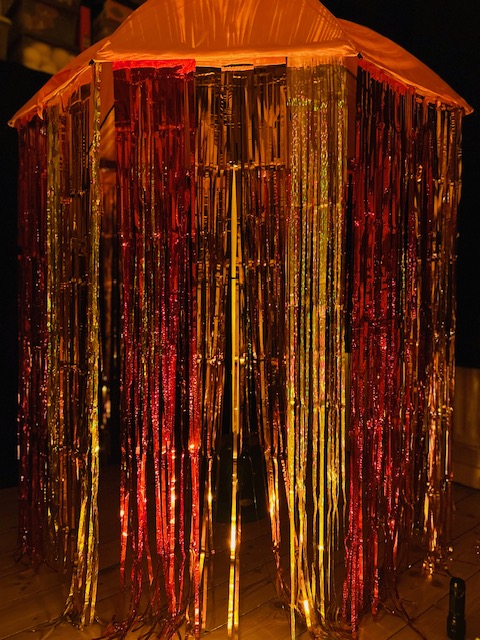
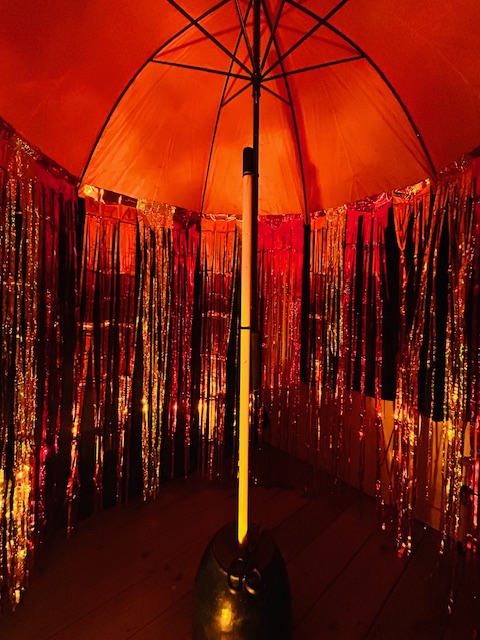
Fire sensory umbrella
A fire-themed sensory umbrella can be used as a visual focus. Ideas include:
- ribbons, tinsel, or fabric in red, orange, and yellow
- fairy lights for a warm glow
- warm air from a hairdryer on a low-heat, low-airflow setting to lift and move the materials
In a darker space, torches or projected visuals can be shone across the umbrella to create a flickering, fire-like effect.

CREATING A SENSORY FIRE
A simple sensory fire can be set up on the floor or in wheelchair accessible Tuff tray, using:
- sticks arranged safely around a light source
- fire-coloured tinsel or reflective materials
- fire sound effects, or crackling sounds made by scrunching paper, snapping small twigs, or popping bubble wrap, or using sensory foams such as Happy Senso Foam
Warmth can be added using wheat bags, hot water bottles, or hand warmers placed nearby or held with support.
You can hear the popping and crackling sound Happy Senso foam makes on the skin in this short video on the Sensory Soup YouTube channel.
The Sensory Soup Fire and Ice foot massage session explores the contrasting temperatures of fire and ice through touch and music.
Colour and smell
Fire can also be explored through warm colours and scent during more guided sensory experiences. During art activities, reds, oranges, and yellows can be used alongside warming or smoky smells, such as cinnamon or ginger, with paints gently warmed before use to add another sensory layer.
Smells such as the scent from popped party poppers, Lapsang Souchong tea bags, or charred wood sealed in a container can be introduced alongside a sensory fire setup or as part of a sensory story.
Movement and shadows
Fire movement can be explored using:
- fire-coloured ribbons or scarves
- belly-dancing fans
- hands or objects moved in front of a light
As the materials move, shadows appear on walls or ceilings, changing shape and size with the movement.
FIRE SENSORY PLAY
Fire-themed sensory play can focus on colour, texture, and cause and effect. Ideas include:
- fluorescent rice in red, orange, and yellow explored under UV light in a dark room
- rolling or moving over crunchy materials and bubble wrap laid out on the floor, creating crackling fire-like sounds
- exploring reflective or glowing materials with a torch
For some learners, taste experiences may also be appropriate, such as popping candy or warm-flavoured, crunchy snacks.
The Sensory Soup Fire and Ice sensations activity explores fire and ice through the different senses.
Exploring Ice sensory actvities
Ice can be explored through colour, light, sound, cool sensations, smell, and sensory play. These experiences work best when they clearly contrast with the warmth, colour, and movement of fire.
Ice sensory umbrella
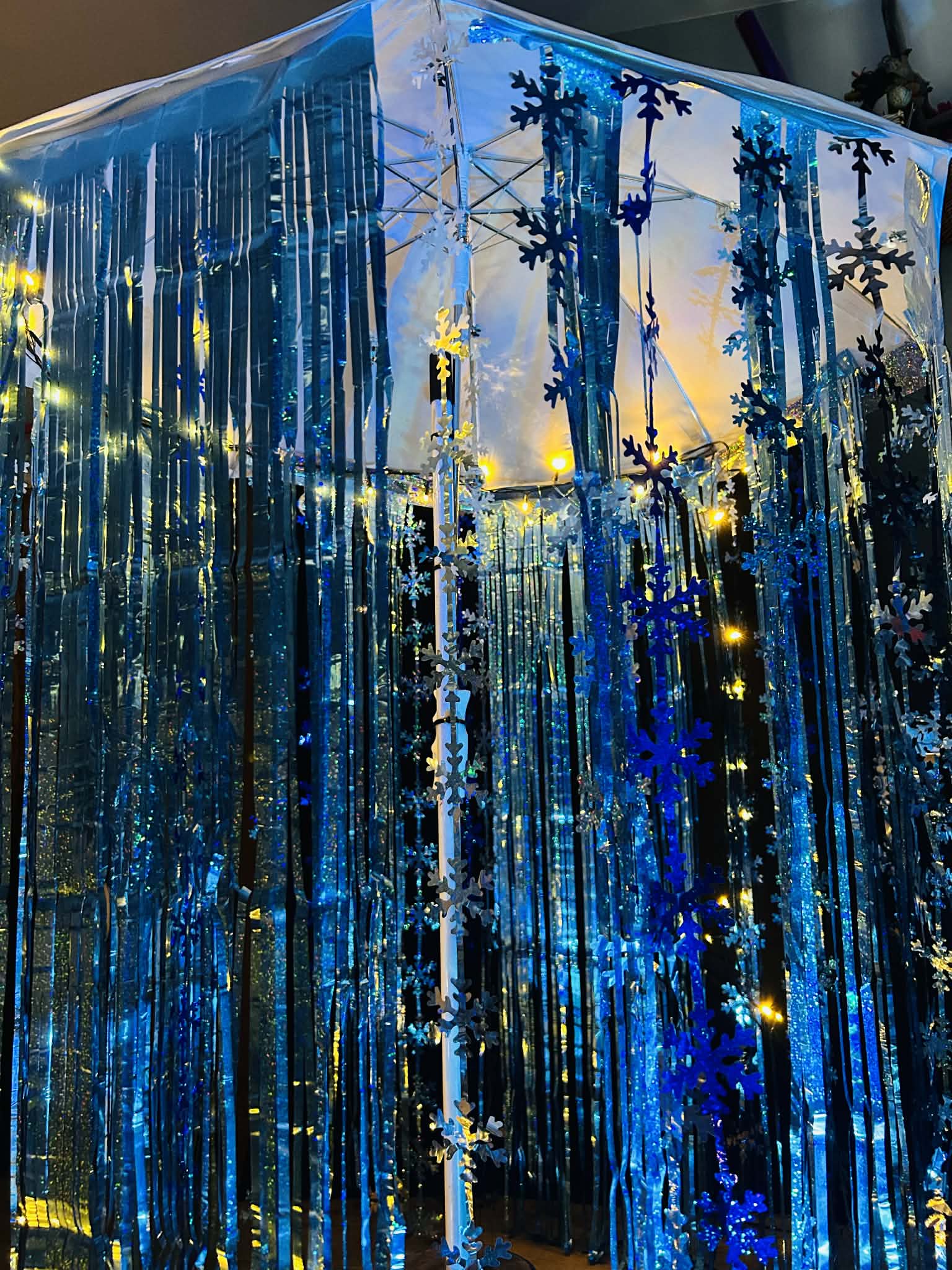
An ice-themed sensory umbrella can be used as a visual focus. Ideas include:
- whites, silvers, and icy blues
- metallic foil curtains, snowflake decorations, or iridescent tinsel
- cool white or blue fairy lights
Learners can spend time underneath the umbrella watching the light move and reflect across the materials. Shining a torch across the umbrella helps the light scatter and sparkle, similar to ice or frost catching the light. Small reflective objects, such as mini disco-ball decorations, can be added for extra sparkle.
A fan can be used to blow cool air under the umbrella, helping to create a clear, icy contrast to the warmth explored during fire activities.
Exploring ice through sound and cool sensations
Ice-related sounds can be explored using simple materials, such as:
- wind chimes or triangles to create light, tinkling sounds
- polystyrene snapped gently to recreate the sound of cracking ice
- salt sprinkled onto ice to listen to fizzing and cracking as it melts
- space blankets scrunched, shaken, or gently moved to create shifting, rustling sounds similar to moving ice
Cool sensations can be introduced using:
- cool packs wrapped in fabric
- chilled drinks bottles
- frozen water beads or ice cubes
Fans can also be used to blow cool air across the body, reinforcing the contrast between cold ice and the warmth experienced during fire activities.
The Sensory Soup Fire and Ice Hand massage session explores the contrasting temperatures of fire and ice through touch and music.
Ice sensory play
Ice-themed sensory play can focus on cause and effect, watching changes happen, and feeling those changes as they occur. Ideas include:
- frozen paint pops made with blue and white paints, which melt as they are explored, releasing colour and glitter
- coloured ice cubes explored on trays, or gently melted using warm air from a hairdryer controlled by a switch
Ice play can also include movement created by air. A fan can be operated with a switch to create a swirling snowstorm effect using paper shredding’s. Learners can watch the materials move and feel the rush of cool air as the fan is switched on and off.
Chilled bubbles can be used indoors or outdoors, where learners can feel them land and pop on their skin. On very cold days, bubbles may briefly freeze when they land, adding another sensory moment to explore.
Smell and fresh sensations
Ice can also be explored through fresh, clean scents as part of guided sensory experiences, with smells such as mint, peppermint, eucalyptus, vanilla, or pine introduced during sensory stories, shared experiences, or art activities, including being added to chilled paint or sensory materials so smell, colour, temperature, and touch are explored together.
These Fire and Ice sensory activities can be adapted to suit different learners, spaces, and sensory preferences.